
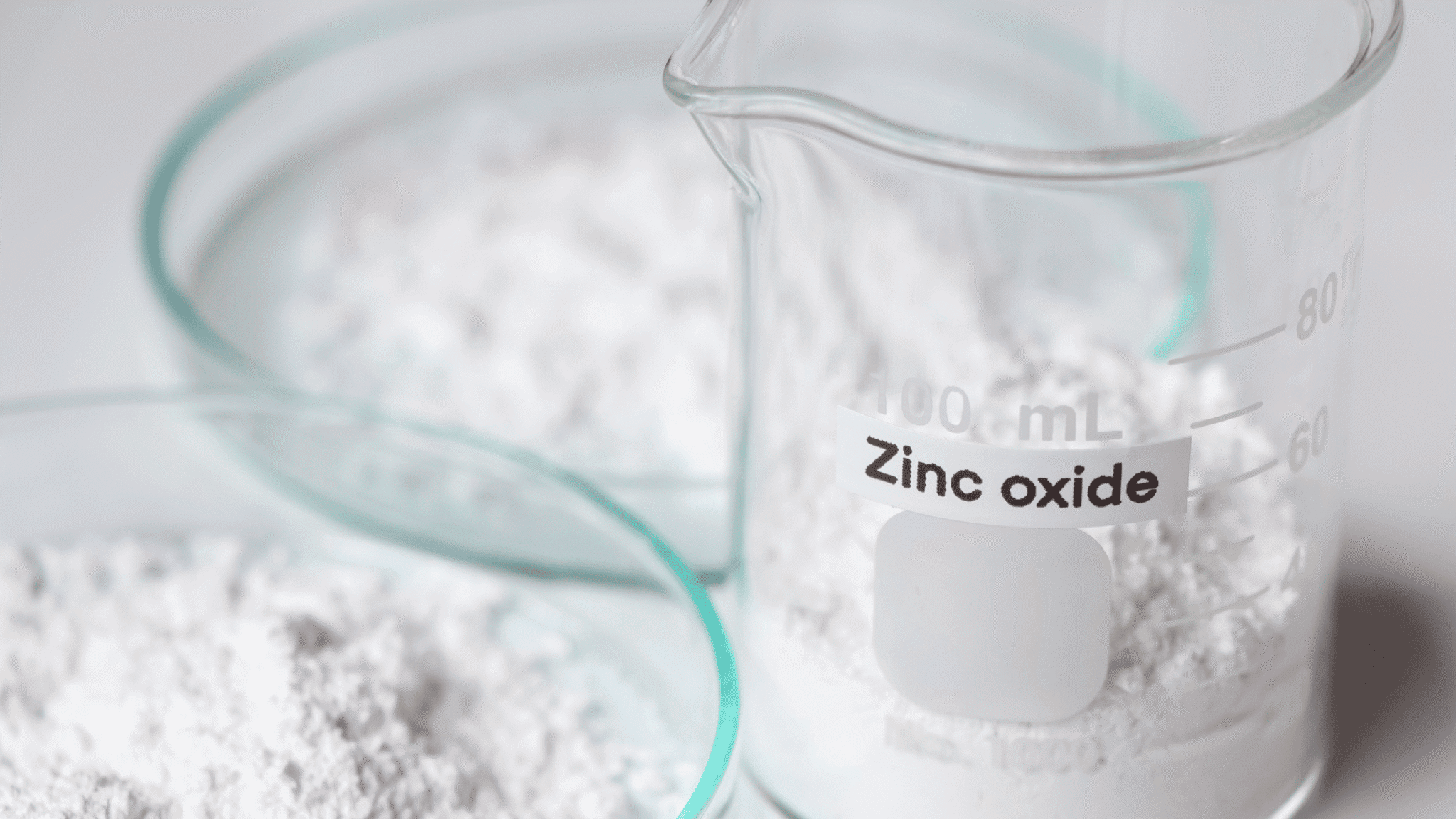
Zinc oxide Thailand plays a crucial role in various industries, and has emerged as a significant player in its production and supply. Known for its high-quality output, the country caters to both domestic and international markets, making it a key hub for this versatile compound. But why has Thailand become such a prominent source for zinc oxide?
From its use in cosmetics to industrial applications, zinc oxide’s demand continues to grow globally. This article explores Thailand’s position in the zinc oxide market, touching on production processes, export trends, and the factors driving its success. Whether you’re an industry expert or just curious about its applications, understanding Thailand’s role offers valuable insights into this essential material.
What Is Zinc Oxide?
Zinc oxide (ZnO) is an inorganic compound made up of zinc and oxygen atoms. It’s widely recognised for its multifunctional properties, from providing UV protection to acting as an anti-inflammatory agent.
Composition And Properties
Zinc oxide features a molecular formula of ZnO and exists as a white, powdery substance. It’s insoluble in water but dissolves in acids or alkalis. With a high melting point of 1975°C, ZnO remains stable under intense heat. Its amphoteric nature means it reacts as both a base and an acid depending on the context.
This compound excels in its ability to block ultraviolet (UV) radiation due to its wide bandgap and high refractive index. Chemically, it exhibits strong antibacterial properties, making it versatile in skin protection. Industrial grades of zinc oxide may have varying particle sizes, typically ranging from 10 to 300 nanometres, depending on the intended function, from rubber production to pharmaceuticals.
Key Applications Worldwide
Zinc oxide is a crucial component across diverse industries globally. In the cosmetics sector, it’s a mainstay in sunscreens, preventing UV damage while calming irritated skin. Data highlights that over 70% of sunscreens now use ZnO in some capacity. In pharmaceuticals, it treats minor wounds and rashes due to its healing traits.
Industrially, ZnO improves the durability of rubber products, including tyres, and functions as an additive in ceramics and glass manufacture. Agriculture relies on its nutrient content as a zinc supplement for animal feeds, ensuring balanced growth. Export trends reveal that demand for ZnO is growing rapidly due to these widespread uses, particularly in Southeast Asia, Europe, and the US.
Zinc Oxide Production In Thailand
Thailand ranks among leading exporters of zinc oxide globally, driven by advanced manufacturing techniques and significant domestic resource availability. The country’s zinc oxide production consistently meets quality standards, supporting industries like cosmetics, pharmaceuticals, and rubber.
Overview Of Manufacturing Processes
Thailand’s zinc oxide manufacturers use two primary methods: the French (Indirect) process and the American (Direct) process. The French process accounts for the majority of production, involving zinc metal vaporisation, oxidation, and condensation to form high-purity zinc oxide. It’s preferred for applications that demand finer particle grades, such as sunscreen formulations.
The American process, while less dominant, utilises zinc ores directly. Zinc-containing raw materials undergo smelting, resulting in energy-efficient production but often yielding lower-grade material. Recent developments in Thailand include adopting advanced eco-friendly technologies, reducing emissions and waste generation to align with global sustainability goals.
Producers often integrate quality checks at each stage, including X-ray diffraction analysis and particle size measurement. This ensures that Thailand-produced zinc oxide competes well internationally. These rigorous protocols cater to diverse applications, connecting seamlessly to supplier bottlenecks and export logistics.
Leading Producers And Suppliers
Major players in Thailand’s zinc oxide market include companies like Pan-Continental Chemical, Thai-Lao Lignite, and regional exporters supplying global brands. Many firms focus on specific niches, from cosmetic-grade zinc oxide to industrial-grade compounds, ensuring tailored solutions for varied sectors.
Export data highlights key destinations, including Southeast Asia, Europe, and the US, with steady growth over the past decade. Reports showed Thailand exported approximately 85,000 tonnes of zinc oxide in 2022, reflecting its strong international presence. These suppliers emphasise both quality and competitive pricing, making them preferred partners for global buyers.
Thailand also benefits from its strategic location in Asia, enabling faster, cost-efficient shipping to regional hubs. By aligning with industry trends, suppliers innovate continually, catering to growing demand. This industrial synergy provides a critical link to understanding Thailand’s sustained success in zinc oxide production.
Applications Of Zinc Oxide In Thailand
Industrial Uses
Thailand’s zinc oxide contributes significantly to industrial manufacturing. Over 50% of zinc oxide produced globally is used in rubber and tyre industries, and Thailand is no exception. It enhances durability, heat resistance, and elasticity in products like car tyres, conveyor belts, and seals. Zinc oxide’s role as an activator in vulcanisation ensures these materials maintain strength under stress.
The ceramics industry also leverages zinc oxide as a flux, aiding in glaze formation and reducing thermal expansion in tiles and pottery. Further, in paint formulations, it acts as a pigment and enhances resistance to mildew and corrosion, suiting Thailand’s humid conditions. These widespread uses drive demand from sectors like automotive, construction, and manufacturing.
Cosmetic And Skincare Products
Zinc oxide is a star ingredient in Thailand’s growing skincare market. Favoured for its ability to block harmful UV rays, it’s a key component of sunscreens. Thai cosmetic brands use its photo-protective properties to create SPF products tailored to tropical climates. Beyond UV protection, its soothing and anti-inflammatory traits make it a natural fit for products targeting acne-prone or sensitive skin.
As regulations worldwide push for safer, mineral-based sunscreens, zinc oxide sees increased demand. It’s often preferred over chemical alternatives due to its compatibility with reef-safe formulations, aligning with Thailand’s push for eco-conscious tourism. Besides sunscreens, it appears in baby powders, creams, and facial masks, showcasing versatility across product ranges.
Agricultural And Environmental Applications
In agriculture, zinc oxide plays a vital role in combating zinc deficiency in soil. Thai farmers apply it as a micronutrient in fertilisers, which enhances crop yields, especially for rice and maize—two staples in the country. It contributes to healthier plant development, ensuring improved productivity and food supply stability.
Environmentally, its usage isn’t limited to agriculture. Zinc oxide nanoparticles are being tested for water purification projects, leveraging antibacterial properties to kill pathogens in contaminated sources. As sustainability becomes a priority, Thailand’s zinc oxide industry aligns with eco-driven innovation, catering to both domestic and global markets.
Export And Market Trends
Global Demand For Thai Zinc Oxide
Thailand exported approximately 85,000 tonnes of zinc oxide in 2022, reflecting its robust appeal in global markets. This demand stems from Thai zinc oxide’s high purity levels, achieved via advanced production processes like the French method. Key importing regions include Southeast Asia, Europe, and the US, where industries rely on zinc oxide for cosmetics, rubber production, and industrial applications. The compound’s multifunctional properties, such as UV protection and antibacterial effects, further enhance its export value.
Growing environmental awareness has also boosted demand for eco-friendly zinc oxide solutions, aligning with Thailand’s sustainability-focused manufacturing. The increasing use of zinc oxide nanoparticles for applications such as water purification opens additional global markets, particularly in regions prioritising green technologies. Such trends position Thailand as a preferred supplier for sectors seeking consistent, high-quality material.
Challenges And Opportunities In The Market
Thai zinc oxide producers face rising challenges, including increasing raw material costs and fluctuating global demand. Supply chain disruptions, especially apparent during recent geopolitical shifts, highlight vulnerabilities within international logistics. Also, stricter environmental regulations in importing countries could strain compliance efforts and production costs.
But, opportunities abound through technological innovation and market diversification. Producers adopting eco-friendly, energy-efficient methods can attract demand from sustainability-driven industries. Strengthening ties with emerging markets, such as South Asia and Africa, offers further growth potential. Domestic advancements in nanoparticles also create opportunities to expand into high-tech applications like electronics and pharmaceuticals. Those adapting to challenges can harness these opportunities, ensuring Thailand’s zinc oxide retains its competitive edge globally.
Why Choose Zinc Oxide From Thailand?
Thailand exported around 85,000 tonnes of zinc oxide in 2022, positioning itself as a leading supplier meeting global demand. Its reputation is built on stringent production standards, cost-effective solutions, and diverse industrial applications.
Quality Standards
Thai manufacturers adhere to international benchmarks such as ISO 9001 and GMP certifications. These ensure zinc oxide products meet high purity levels, essential for sensitive applications like cosmetics and pharmaceuticals. The French (Indirect) process, utilised by top producers, achieves purity exceeding 99.9%, making the material ideal for UV-blocking skincare formulations and medical-grade products.
Also, producers invest in advanced testing facilities to guarantee consistency in nano-sized particle distribution, enhancing both quality and performance. Recent advancements include reduced heavy metal content, aligning with EU and FDA safety guidelines. For industries like rubber, ceramics, and paints, Thailand’s zinc oxide delivers uniformity and reliability critical for mass production.
Its commitment to quality resonates with global buyers, securing exports to regions like Europe, Southeast Asia, and the US. As demand for premium-grade zinc oxide surges, Thai producers continue to build a reputation for reliability and trust.
Competitive Pricing
Thailand’s zinc oxide pricing balances high quality with cost efficiency. Access to domestic zinc ore reserves reduces reliance on imported raw materials, lowering production costs. Combined with energy-efficient methods like the American (Direct) process, manufacturers maintain competitive margins while serving diverse industrial needs.
Bulk production capacities further contribute to pricing advantages. For instance, large-scale manufacturers optimise logistics and economies of scale, ensuring affordability. And let’s not forget the Thai government’s support through tax incentives and favourable trade agreements, further lowering export costs.
Buyers across industries—from skincare to tyre manufacturing—benefit from consistent pricing that doesn’t compromise quality. This strategic mix of premium standards and value positions Thai zinc oxide as a top choice in competitive markets worldwide.
Conclusion
Thailand’s zinc oxide industry continues to stand out on the global stage, driven by advanced production methods, a commitment to quality, and a focus on sustainability. With its diverse applications and increasing demand across industries, Thai zinc oxide has secured a strong reputation for reliability and innovation.
The combination of premium standards, competitive pricing, and strategic location ensures Thailand remains a preferred supplier for international markets. As the industry evolves, Thailand is well-equipped to address challenges and capitalise on emerging opportunities, reinforcing its position as a leader in the zinc oxide market.